✦ Class 12 English · Bihar Board

A Far Cry
from Africa

A powerful and deeply personal poem about the Mau Mau uprising in Kenya, colonial violence, and the poet's own divided identity — torn between his love for Africa and his love for the English language.

Derek Walcott
Derek Walcott Caribbean Poet & Playwright · 1930–2017
The Poet

Derek Walcott (1930–2017)

A Nobel laureate whose poetry explores identity, colonialism, and the Caribbean experience.

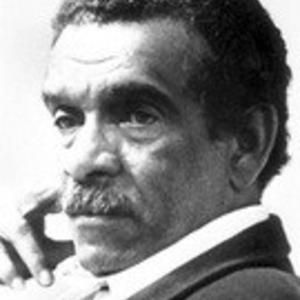
Derek Walcott portrait

Derek Walcott (b. 1930) was a Caribbean poet and playwright. He became famous for his collection of poems entitled In a Green Night (1962). He is known for ironic, antithetical poetry of personal and artistic discovery.

His descriptions serve as a means of taking psychological bearings. Walcott's poetry beams back racial consciousness and his sympathy for the victims. His plays such as Henri Christopher, Drums and Colours enact his interior exploration. They also combine with folk activities like singing, dancing and story-telling.

Walcott was awarded the Nobel Prize in Literature in 1992. His major works include Another Life, The Star-Apple Kingdom, Omeros, and White Egrets.

A Far Cry from Africa is a powerful poem about the Mau Mau uprising in Kenya during the 1950s, the violence of colonial rule, and the poet's own divided identity. As a man of both African and European descent, Walcott is torn between his love for Africa and his love for the English language. The poem is a meditation on race, violence, and the impossibility of choosing sides.

👤
Full NameDerek Alton Walcott
🎂
Born23 January 1930, Castries, St. Lucia
🕯️
Died17 March 2017, Cap Estate, St. Lucia
🏅
Nobel PrizeLiterature · 1992
📚
Famous WorksIn a Green Night · Another Life · Omeros · White Egrets
📖
PoemA Far Cry from Africa
Quick Overview

Summary

Concise overview of the chapter.

A Far Cry from Africa is a powerful poem by the Caribbean poet Derek Walcott. It reflects on the Mau Mau uprising in Kenya (1950s), in which the Kikuyu people rose against British colonial rule — and were brutally suppressed.

The poem begins with a vivid image of violence: "A wind is ruffling the tawny pelt / Of Africa." The Kikuyu, like flies, swarm over the land. But the British response is equally brutal — a "white child" is killed, and the natives are gunned down.

The poet is torn. He is a Black man whose ancestors came from Africa, but he is also a subject of the British Empire — educated in English, writing in English. He asks: "Where shall I turn, divided to the vein?" How can he choose between the Africa of his blood and the English of his tongue?

The poem describes the brutal dance of colonial violence — the "corpses", the "white child", the "anthropological" gaze of the coloniser. The poet is horrified by the violence on both sides.

The final stanza is the most moving. The poet says he loves "the English tongue" — but he also loves the "gorilla" and the "green" of Africa. How can he choose? He refuses to choose. He is both — a hybrid, a hybrid soul, a citizen of two worlds.

The poem is a meditation on identity, colonialism, and the pain of being divided. Walcott refuses simple answers — he embraces his complexity and asks the reader to do the same.

How choose / Between this Africa and the English tongue I love? / Betray them both, or give back what they give? — Derek Walcott, "A Far Cry from Africa"
The Text

A Far Cry from Africa

Derek Walcott's meditation on race, violence, and divided identity.

Stanza 1 The Wind Is Ruffling the Tawny Pelt

1A wind is ruffling the tawny pelt
2Of Africa, Kikuyu, quick as flies,
3Batten upon the bloodstreams of the veldt.
4Corpses are scattered through a paradise.
5Only the worm, colonel of carrion, cries:
6"Waste no compassion on these separate dead!"
7Statistics justify and scholars seize
8The salients of colonial policy.
9What is that to the white child hacked in bed?
10To savages, expendable as Jews?

The poem opens with a vivid image of Africa — the wind ruffling the "tawny pelt" of the land. The Kikuyu people, quick as flies, are "battening upon the bloodstreams of the veldt." Corpses are scattered through what was once a paradise. The worm, "colonel of carrion," cries out that we should waste no compassion on these separate dead. Statistics and scholars justify colonial policy, but what does that mean to the white child hacked in bed, or to the "savages," expendable as Jews?

Stanza 2 The Violence of Beast on Beast

11Threshed out by beaters, the long rushes break
12In a white dust of ibises whose cries
13Have wheeled since civilization's dawn
14From the parched river or beast-teeming plain.
15The violence of beast on beast is read
16As natural law, but upright man
17Seeks his divinity by inflicting pain.
18Delirious as these worried beasts, his wars
19Dance to the tightened carcass of a drum,
20While he calls courage still that native dread
21Of the white peace contracted by the dead.

The second stanza continues with images of violence. The "violence of beast on beast" is seen as natural law, but "upright man" seeks his divinity by inflicting pain. His wars are "delirious as these worried beasts," and he calls courage "that native dread of the white peace contracted by the dead." The stanza highlights the hypocrisy of civilized man, who justifies his violence while condemning the violence of nature.

The violence of beast on beast is read
As natural law, but upright man
Seeks his divinity by inflicting pain. — Derek Walcott

Stanza 3 The Gorilla Wrestles with the Superman

22Again brutish necessity wipes its hands
23Upon the napkin of a dirty cause, again
24A waste of our compassion, as with Spain,
25The gorilla wrestles with the superman.

The third stanza continues the theme of violence and hypocrisy. "Brutish necessity" wipes its hands on "the napkin of a dirty cause." There is a "waste of our compassion, as with Spain," and "the gorilla wrestles with the superman." The image of the gorilla and the superman suggests the struggle between the primitive and the civilized, the colonized and the colonizer.

Stanza 4 I Who Am Poisoned with the Blood of Both

26I who am poisoned with the blood of both,
27Where shall I turn, divided to the vein?
28I who have cursed
29The drunken officer of British rule, how choose
30Between this Africa and the English tongue I love?
31Betray them both, or give back what they give?
32How can I face such slaughter and be cold?
33How can I turn from Africa and live?

The final stanza is the most personal and anguished. The poet declares that he is "poisoned with the blood of both" — both African and European. He asks, "Where shall I turn, divided to the vein?" He has cursed "the drunken officer of British rule," yet he loves the English tongue. He cannot choose between "this Africa and the English tongue I love." He asks: "Betray them both, or give back what they give? How can I face such slaughter and be cold? How can I turn from Africa and live?" The poem ends with these unanswerable questions, expressing the poet's profound dilemma.

Quick Revision

Key Themes — A Far Cry from Africa

Six ideas that shape Derek Walcott's powerful poem.

⚔️ Colonial Violence

The poem is set against the Mau Mau uprising in Kenya, a violent conflict between the Kikuyu people and British colonial rule. It depicts the brutality on both sides — the "white child hacked in bed" and the "savages, expendable as Jews."

🩸 Divided Identity

Walcott is "poisoned with the blood of both" — African and European. He cannot choose between his love for Africa and his love for the English language. This divided identity is the central dilemma of the poem.

🐒 The Gorilla and the Superman

The image of the gorilla wrestling with the superman suggests the struggle between the primitive and the civilized, the colonized and the colonizer. It critiques the hypocrisy of "civilized" violence.

💀 The Wasteland of Violence

The poem presents a world of corpses, worms, and carrion. Violence is everywhere — in nature, in human wars, and in colonial oppression. The worm, "colonel of carrion," is the only voice that speaks.

🗣️ Language and Betrayal

The poet loves the English tongue but hates what the English have done in Africa. He asks: "How choose between this Africa and the English tongue I love?" To choose one is to betray the other.

❓ The Unanswerable Question

The poem ends with unanswerable questions: "Betray them both, or give back what they give? How can I face such slaughter and be cold? How can I turn from Africa and live?" These questions express the impossibility of a simple resolution.

Assessment

Test Your Understanding

Multiple choice · Fill in the blanks · Short answer. Everything is drawn from the poem above.

🧠 Part A — Multiple Choice

Choose the best answer for each question. Click Check Answers at the end to see your score.

Score: — / 0

✏️ Part B — Fill in the Blanks

Complete each sentence on the basis of the poem. Type your answer, then click Check Answers.

Score: — / 0

📝 Part C — Short Answer Questions

Think through your answer first, then click Show Model Answer to compare.

Textbook Exercises

Complete Exercise Bank

All questions from the Bihar Board Class 12 English textbook — with answers and model responses.

📖 Let's Think and Do

Answer the following questions in detail.

1Who is happy to feed on the dead bodies?
The worm is happy to feed on the dead bodies. The poem says: "Only the worm, colonel of carrion, cries: 'Waste no compassion on these separate dead!'" The worm represents the scavengers who thrive on death and destruction. It is a grim image of how violence and death become food for the lowest creatures.
2Is the violence of beast on beast justified? How?
The violence of beast on beast is "read as natural law" — it is seen as part of the natural order, a matter of survival. Animals kill to eat, to protect themselves, or to establish dominance. There is no moral dimension to their violence; it is instinctive and necessary. However, Walcott contrasts this with human violence: "but upright man seeks his divinity by inflicting pain." Human beings, who claim to be civilized and moral, inflict pain not out of necessity but to assert their power and "divinity." This makes human violence far worse than the violence of beasts, because it is deliberate, ideological, and hypocritical.
3What light does the poem throw on racial discrimination?
The poem throws a harsh light on racial discrimination. It depicts the dehumanization of the Kikuyu people, who are described as "savages, expendable as Jews." The white child "hacked in bed" and the African "savages" are both victims of racial hatred. The poem also shows how colonial policy is justified by "statistics" and "scholars," who treat human lives as mere numbers. Walcott, himself of mixed heritage, exposes the absurdity and cruelty of racial discrimination. He cannot choose one race over the other because he is "poisoned with the blood of both." The poem is a powerful critique of the way racism divides humanity and makes people complicit in violence.
4Write in brief your views on caste discrimination in our society.
(Personal answer) Caste discrimination is a deeply rooted social evil in Indian society. Like racial discrimination, it divides people into hierarchies and denies dignity and opportunity to those at the bottom. It has led to untouchability, violence, and the denial of basic human rights to millions. While the Constitution and laws have made great strides in addressing caste discrimination, it still persists in subtle and overt forms. I believe that education, inter-caste interaction, and strict enforcement of laws are essential to eradicate it. The poem's message about the poison of divided blood applies to caste as well — we must recognize our shared humanity and reject all forms of discrimination based on birth.

📚 Glossary & Notes

Key words from the poem with their meanings.

  • tawny (adj): orange-brown or yellowish-brown
  • pelt (n): the skin of an animal with fur
  • Kikuyu (n): an ethnic group in Kenya, central to the Mau Mau uprising
  • batten (v): to feed greedily, to thrive at the expense of others
  • veldt (n): open grassland in southern Africa
  • carrion (n): dead and decaying flesh
  • salients (n): prominent features or important points
  • hacked (v): cut or chopped violently
  • expendable (adj): able to be sacrificed, not worth preserving
  • ibises (n): large wading birds with long curved bills
  • parched (adj): dried out, extremely dry
  • beast-teeming (adj): full of animals
  • delirious (adj): wildly excited, frenzied
  • brutish (adj): savage, cruel
  • superman (n): a superior being, Nietzsche's ideal of the overman
  • gorilla (n): a large ape, symbol of primitive strength
  • slaughter (n): the killing of many people